
This content aligns with Goals 3, 10, and 16 by discussing how UNESCO’s current work on a ‘Declaration on the Ethics of Neurotechnology’ represents a suitable opportunity to make indigenous interests and positions visible through amendments to individual texts of international law.
This content aligns with Goals 4 and 10 by discussing ways to make education more inclusive and equitable by integrating Western science and Indigenous epistemologies.
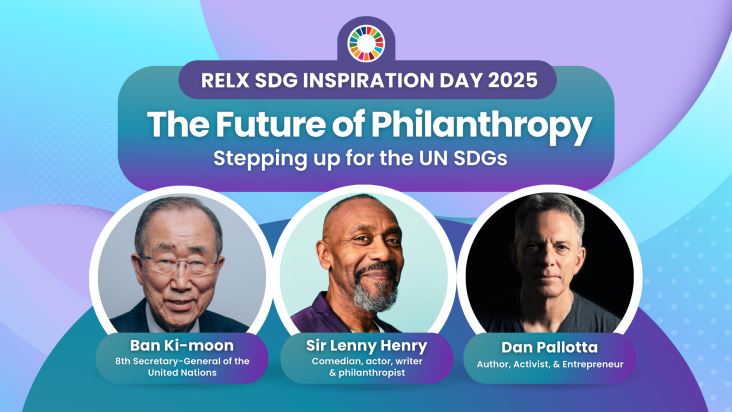
More than 800 people from over 75 countries came together virtually on 3rd June 2025 for the eleventh edition of the RELX SDG Inspiration Day: "The Future of Philanthropy: Stepping up for the SDGs" The annual online event brings together together business, academia, NGOs and government to explore pressing issues and inspire action on the United Nations Sustainable Development Goals (SDGs). Explore highlights from the day including inspiring keynotes from Ban Ki-moon, 8th Secretary General of the United Nations, Sir Lenny Henry and Sarah, Duchess of York.


Recognising our customer's efforts to advance the United Nations Sustainable Development Goals.
This study examined racial/ethnic disparities in the surgical management of endometriosis using data from the National Survey of Family Growth (NSFG) 2017-2019 cycle.�
This chapter provides a comprehensive overview of Prader-Willi syndrome (PWS), emphasizing its genetic basis, clinical features, and the importance of early diagnosis and multidisciplinary care. It aligns with SDG 3 (Good Health and Well-being) by promoting precision medicine and interventions to improve health outcomes, and SDG 10 (Reduced Inequalities) by advocating equitable access to specialized care and innovative treatments for individuals with PWS.
