Education

Education holds a paramount relationship with the Sustainable Development Goals (SDGs) as delineated by the United Nations in 2015. It is not only recognized in its standalone form in SDG 4, which strives to “ensure inclusive and equitable quality education and promote lifelong learning opportunities for all”, but also serves as an enabler of other SDGs, highlighting its cross-cutting impact across multiple facets of development. It acts as the foundation stone of knowledge, fostering an understanding of complex socio-economic dynamics that are critical for the attainment of other goals.

Consider, for instance, how education impacts SDG 1 - No Poverty. The increased earning potential offered by quality education is a powerful tool in breaking the poverty cycle. Similarly, in relation to SDG 3 - Good Health and Well-being, education is instrumental in driving better health outcomes by fostering understanding of healthy lifestyles, disease prevention, and the benefits of timely medical intervention.

Addressing the climate crisis (SDG 13) also necessitates education, as it prepares individuals to understand the intricate relationships between human activities and their environmental impact, and to seek sustainable solutions. Moreover, achieving gender equality (SDG 5) is intrinsically tied to education, as access to quality learning opportunities for girls and women empowers them, promotes their participation in decision-making processes, and helps in overturning deeply entrenched societal biases.

Quality education also fosters innovation and infrastructure development (SDG 9), as it equips individuals with the technical and creative skills necessary to devise advanced technologies and infrastructures. Moreover, education fosters peace and justice (SDG 16) by promoting a culture of peace, non-violence, global citizenship, and appreciation of cultural diversity.

In this multifaceted role, education serves as a catalyst in the process of sustainable development. However, these interconnections necessitate that education systems themselves are made more inclusive, resilient, and sustainable. The challenges of the 21st century, such as the digital divide and the increasing need for lifelong learning, require urgent attention to ensure education continues to play its role effectively. Education is the key that unlocks the potential of all other SDGs, making its universal attainment not just a goal, but a pre-requisite for a sustainable future.
This research highlights how how diversity is, and has been, defined, explained and enacted in the context of schooling.
HPCC Systems Overview
Born from the deep data analysis experience of LexisNexis® Risk Solutions, HPCC Systems® is a proven, open source solution for Big Data insights that can be implemented by businesses of all sizes.  With HPCC Systems®, developers can design applications with Big Data at their core, enabling businesses to better analyze and understand data at scale. HPCC Systems® offers a consistent data-centric programming language, two processing platforms and a single, complete end-to-end architecture for efficient processing. Access to open source Big Data technology is vital for SDG 4 Quality education and SDG 9 Industry, innovation and infrastructure.
Elsevier,

Teaching and Teacher Education, Volume 142, May 2024

This case study of K-12 educators in British Columbia explores how teachers’ motivations influence their approaches to food systems education. Findings reveal a strong emphasis on helping students understand food’s role in sustainability and its links to environmental, economic, and social issues. The study highlights how educators’ intentions shape the practices they adopt in teaching about food systems.
This heartbreaking/hopeful (it varies depending on perspective) One Earth Research Article shows that children view climate change as an existential threat, and want to know what they can do about it (SDG 13).
Elsevier,

International Journal of Hygiene and Environmental Health, Volume 257, April 2024

The article emphasizes the importance of providing training and supporting resources alongside open science initiatives to enhance accessibility and reduce barriers in the field. It suggests that these educational resources should be customized to cater to diverse user profiles, including neuroscientists, computational scientists, and educators.
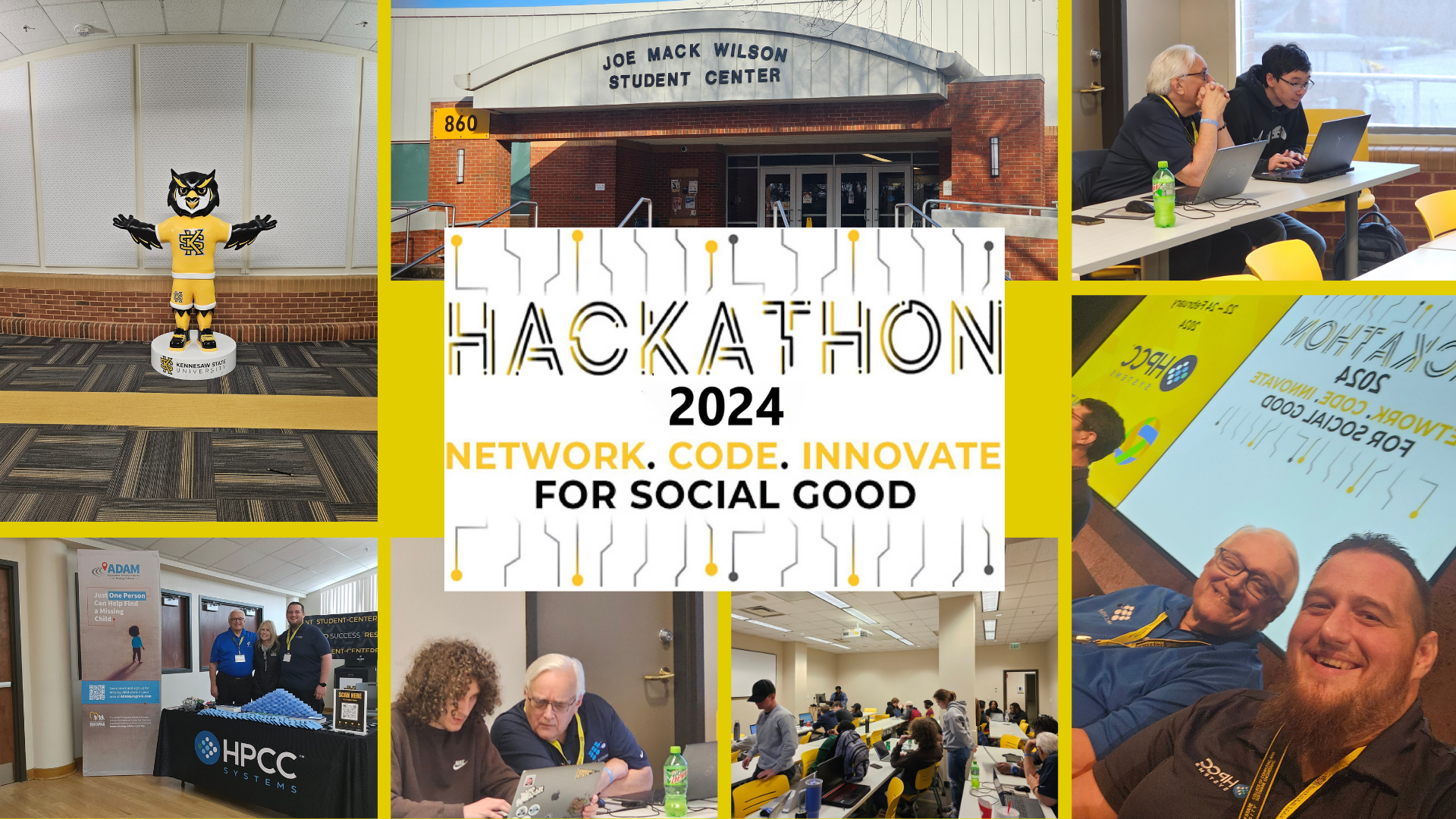
Since 2017 HPCC Systems has taken part in Kennesaw State University’s annual Hackathon for Social Good held at the Joe Mack Wilson Student Center, Marietta Campus. The goal of this hackathon is to connect students with companies through workshops and mentoring to achieve a final product that can in some way help the community. This year was no different and in fact, was the most in-depth challenge HPCC Systems has offered so far. This year the Help Missing Kids Challenge was introduced.

This study explored talent in adolescents with intellectual disability (ID) by comparing those with and without drawing ability, examining both specific artistic skills and broader cognitive abilities. Results showed that adolescents with ID who have drawing talent also demonstrated higher fluid intelligence, cognitive flexibility, and creative thinking, with participation in art classes further enhancing their artistic performance. The findings support a global view of talent and suggest that giftedness models, such as Renzulli�s three-ring model, may be relevant for individuals with ID.
In support of SDG 3, the authors present a student mental health support system, based on artificial intelligence and big data analysis. The system designed through the research aims to provide a personalized mental health support and guidance resource for students, who face increasing psychological pressure in today's society. The system also provides effective mental health monitoring and support tools for ongoing mental health promotion activities in educational settings.
UGAHacks is a 501 (c)(3) non-profit organization that has been hosting an annual 48-hour hackathon for almost a decade now. This was the 2nd time HPCC Systems sponsored a challenge and participated in the hackathon held at the University of Georgia. If you want to catch up on our participation in last year’s event, please read the blog: UGA Hacks 8, Hot Wings and Hope for the Future.
"Women Supporting Women in the Sciences (WS2)—ws2global.org—is an international initiative unifying and supporting graduate- and professional-level women and allies in science, technology, engineering, and mathematics (STEM), while providing outreach to elementary- and secondary-level students. WS2 has been involved in the development of professional development workshops intended to empower university women and promote STEM careers. In their most recent venture, WS2 distributed low-cost physics and materials science lab kits that were designed virtually by international teams. These kits are relevant to elementary and secondary school students across the world, with initial focus on local schools in eastern Africa. In this Backstory, part of the WS2 leadership team (Dr. Joyce Elisadiki, Dr. Cecilia Rolence China, and Dr. Jill Wenderott) discusses how the Lab Kit Initiative came together and highlights outcomes and lessons learned from this project. "

Pages