
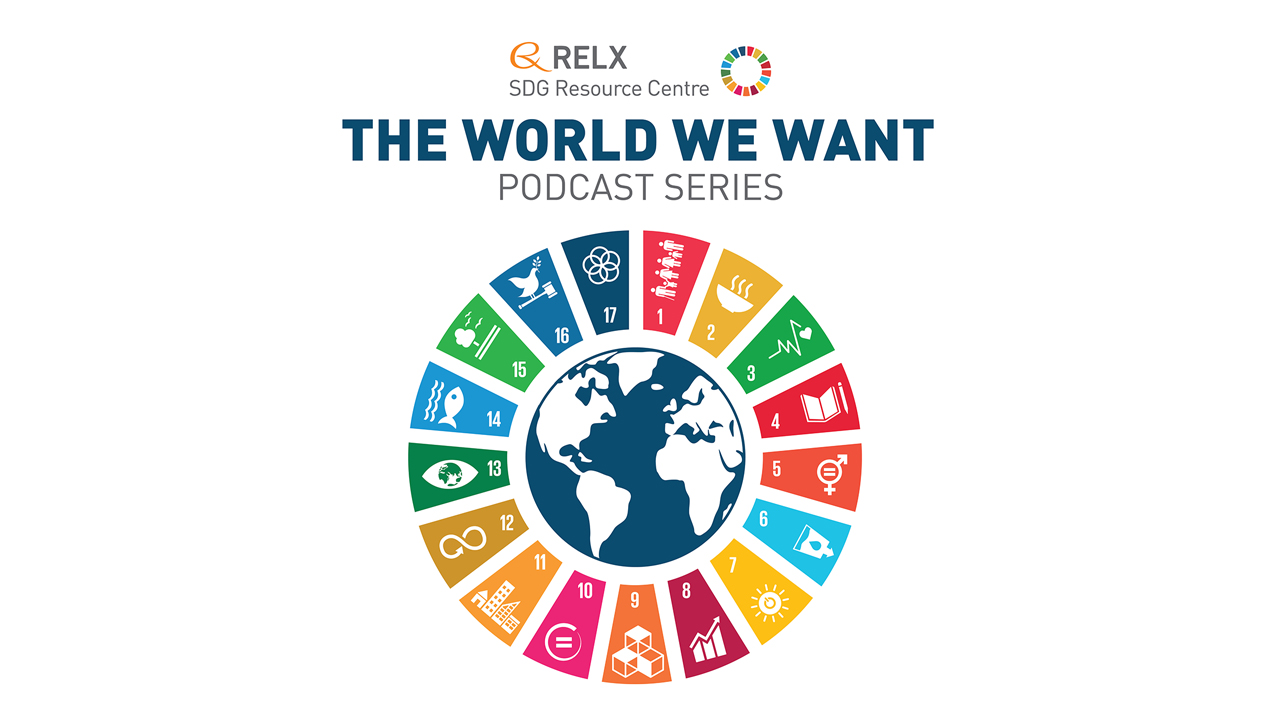
Education holds a paramount relationship with the Sustainable Development Goals (SDGs) as delineated by the United Nations in 2015. It is not only recognized in its standalone form in SDG 4, which strives to “ensure inclusive and equitable quality education and promote lifelong learning opportunities for all”, but also serves as an enabler of other SDGs, highlighting its cross-cutting impact across multiple facets of development. It acts as the foundation stone of knowledge, fostering an understanding of complex socio-economic dynamics that are critical for the attainment of other goals.
Consider, for instance, how education impacts SDG 1 - No Poverty. The increased earning potential offered by quality education is a powerful tool in breaking the poverty cycle. Similarly, in relation to SDG 3 - Good Health and Well-being, education is instrumental in driving better health outcomes by fostering understanding of healthy lifestyles, disease prevention, and the benefits of timely medical intervention.
Addressing the climate crisis (SDG 13) also necessitates education, as it prepares individuals to understand the intricate relationships between human activities and their environmental impact, and to seek sustainable solutions. Moreover, achieving gender equality (SDG 5) is intrinsically tied to education, as access to quality learning opportunities for girls and women empowers them, promotes their participation in decision-making processes, and helps in overturning deeply entrenched societal biases.
Quality education also fosters innovation and infrastructure development (SDG 9), as it equips individuals with the technical and creative skills necessary to devise advanced technologies and infrastructures. Moreover, education fosters peace and justice (SDG 16) by promoting a culture of peace, non-violence, global citizenship, and appreciation of cultural diversity.
In this multifaceted role, education serves as a catalyst in the process of sustainable development. However, these interconnections necessitate that education systems themselves are made more inclusive, resilient, and sustainable. The challenges of the 21st century, such as the digital divide and the increasing need for lifelong learning, require urgent attention to ensure education continues to play its role effectively. Education is the key that unlocks the potential of all other SDGs, making its universal attainment not just a goal, but a pre-requisite for a sustainable future.

Partner content
Global Citizen, 7th February 2020
The essay reviews important trends and issues in the scholarship on NGOs and discusses transformations in the NGO sector that need further research and analysis. The focus of the essay is on critical scholarship in NGO Studies that theorizes the impact of neoliberalism on the NGO sector, the NGOization of development and the neoliberal strategy of public-private partnerships in education and development. We analyze the growth of philanthrocapitalism, particularly in education and its implications for NGOs.
This article provides a discussion of the history and the contemporary issues pertaining to Historically Black Colleges and Universities (HBCUs) in the United States. It draws upon relevant literature and provides an in depth understanding of HBCUs. In particular, the article focuses on the impact of industrial philanthropy on the leadership and curriculum of HBCUs; the intersection of the law with HBCUs, especially as it pertains to desegregation; the role of HBCUs in the civil rights movement; and the impact of Federal recognition of these institutions.
