Articles

Elsevier,

Geoderma, Volume 443, March 2024

Artificial grassland restoration can be an effective method when applied to severely degraded grassland in alpine areas, however, their effects on slope runoff and sediment yield are still unclear. Qian et al., 2024 studied the effects of artificial restoration and degradation on the runoff sediment process in three areas and found that artificial grassland can significantly reduce runoff and sediment yield compared to alpine meadows and severely degraded alpine meadows. The study underscores the importance of plant and soil characteristics in erosion processes, highlighting the effectiveness of artificial grassland in mitigating soil erosion through improved soil conditions and enhanced vegetation coverage, with implications for restoration efforts in alpine regions.
Elsevier,

One Earth, Volume 7, 16 February 2024

This study emphasizes the importance of adopting nexus approaches in Arctic governance to address the complex interactions between climate change, biodiversity loss, land use pressures, and local livelihoods. While Arctic policies often incorporate nexus elements, there is a need to better recognize the agency and impact of local communities and traditional livelihoods in decision-making processes. This aligns with the goals of the International Day of Indigenous Peoples by highlighting the significance of involving indigenous communities in environmental governance and promoting cross-sectoral policies that consider their perspectives and contributions.
Elsevier,

One Earth, Volume 7, 16 February 2024

This multi-city, multi-country One Earth Research Article shows that Paris Agreement-aligned climate action (SDG 13) is needed to avoid increasing ozone-related* deaths (SDG 3) because greener energy production is also cleaner pollution-wise. These actions will help make cities and communities more sustainable (SDG 11). *Some greenhouse gases, and many co-emitted pollutants from fossil-fuel burning, contribute to ozone production near ground level where it is a harmful pollutant.
Elsevier,

International Journal of Clinical and Health Psychology, Volume 24, Issue 2, April–June 2024, 100452

This study indicates that both repetitive transcranial magnetic stimulation (rTMS) and transcranial direct current stimulation (tDCS) can improve memory in Alzheimer�s disease (AD) patients, with rTMS being more effective in the frontal regions and tDCS in the temporal areas, supporting their safety and potential for enhancing cognitive functions mainly linked to memory

Elsevier,

International Journal of Educational Research Open, 2024, 100340

This study examines the impact of home-to-school distance on student dropout rates in Adi-Keyih sub-zone, Eritrea, analysing data from almost 2,500 students. Findings indicate that greater distances between home and school significantly increase the likelihood of dropout.
Elsevier,

Tourism Management, Volume 100, February 2024

This study investigates the factors that influence travelers' intentions toward animal ethics in tourism and makes a significant contribution to methodological approaches and the body of knowledge in animal ethics in tourism.
Elsevier,

The Lancet Child and Adolescent Health, Volume 8, February 2024

As a type of violence in intimate relationships, reproductive coercion encompasses a range of behaviours that exert external control over reproductive autonomy, from threats to coerce pregnancy to sabotaging contraception and controlling outcomes of a pregnancy, such as coerced abortion or forced continuation of a pregnancy. At a time when reproductive rights and bodily autonomy are under attack in many countries, and when adolescents (especially transgender and gender-diverse youth) are experiencing large barriers to health care, elucidating core characteristics of reproductive coercion, identifying harm reduction strategies, and preventing relationship abuse and reproductive coercion are of paramount importance.
Elsevier,

The Lancet Regional Health - Europe, Volume 37, February 2024

The results from this study indicate that the AI-based risk assessment predicts later stage breast cancers as high risk among women who currently are sent at home with a negative mammogram.
Elsevier,

The Lancet Global Health, Volume 12, February 2024

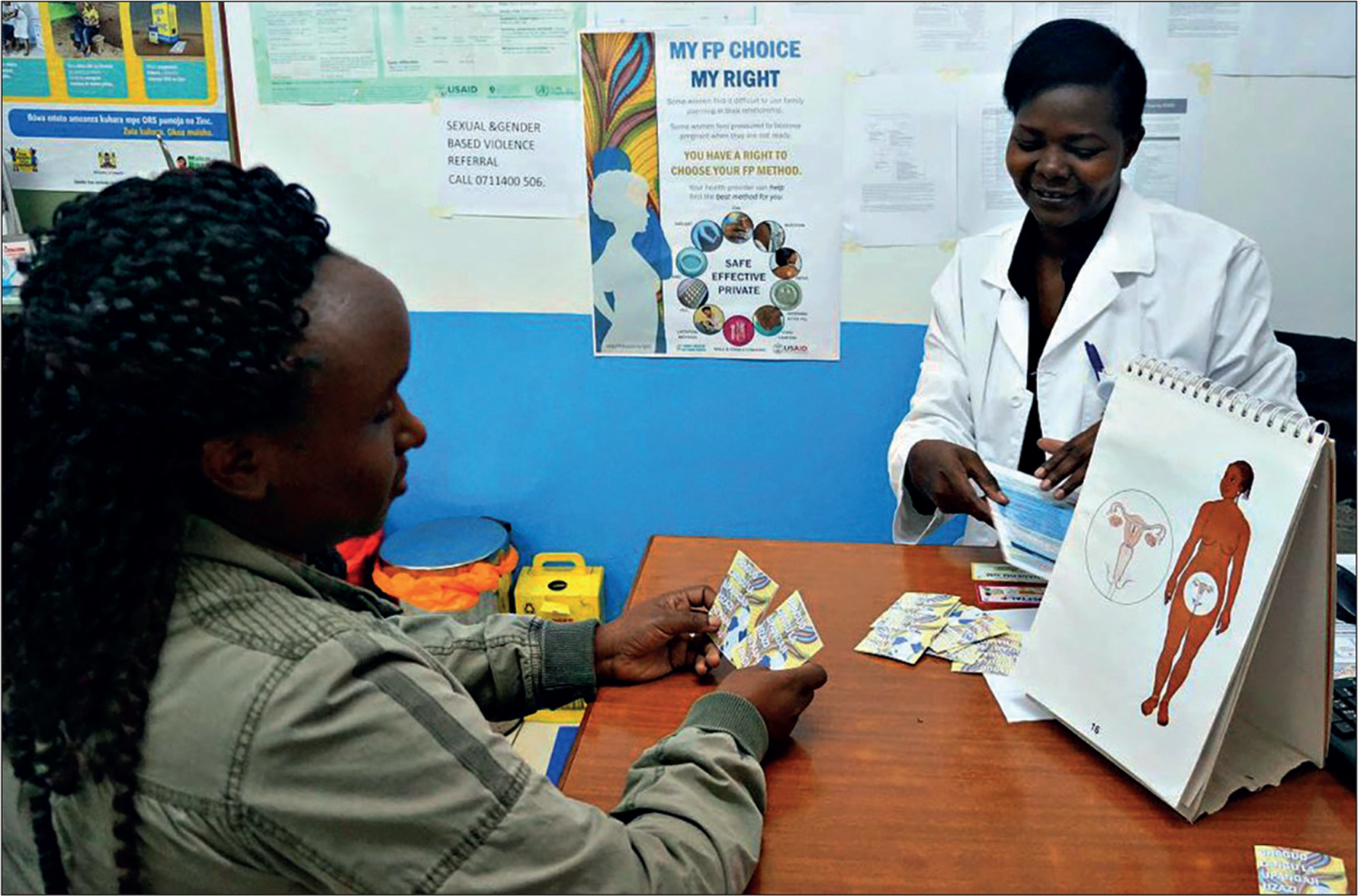
This Series paper supports SDGs 3 and 5 by examining the determinants of maternal health and mortality and how these could be addressed to improve outcomes. The causes of maternal mortality, and efforts to improve maternal health, require a multipronged and multidisciplinary approach.
Brightmine
This article reviews three key focus areas leaders should prioritize while implementing a workplace artificial intelligence strategy. This article supports SDGs 8 and 9.

Pages