Energy

Energy is a central component of the United Nations' Sustainable Development Goals (SDGs), explicitly reflected in SDG 7: Affordable and Clean Energy. However, the theme of energy cuts across multiple SDGs, demonstrating the interconnectivity of these global goals.

SDG 7's objective is to ensure access to affordable, reliable, sustainable, and modern energy for all. Energy, in its various forms, is a vital driver of economic growth and is pivotal to nearly all aspects of development. Without a steady and reliable supply of energy, societies can hardly progress. However, millions of people around the world still lack access to modern and clean energy services. The emphasis on "affordable and clean" energy within this goal shows the need to transition from traditional energy sources, often characterized by high environmental costs, to more sustainable ones like wind, solar, and hydropower.

Energy's role is also significant in achieving other SDGs. For example, SDG 9: Industry, Innovation, and Infrastructure, emphasizes the need for sustainable and resilient infrastructure with increased resource-use efficiency and greater adoption of clean technologies. It is almost impossible to achieve this without a sustainable energy framework. Similarly, SDG 11: Sustainable Cities and Communities, calls for making cities inclusive, safe, resilient, and sustainable, and one of its targets (11.6) directly refers to the environmental impact of cities, for which energy is a key factor.

Furthermore, energy is a crucial player in SDG 13: Climate Action. The energy sector represents the largest single source of global greenhouse gas emissions. Transitioning to a sustainable energy future, therefore, is critical for tackling climate change. Efforts to reduce emissions and promote clean energy sources are crucial to mitigate climate change and its impacts.

Elsevier,

Nano Energy, Volume 110, 1 June 2023

Fossil fuel utilization as an energy resource is the main cause of CO2 emission; therefore, a new energy economic concept is required to achieve carbon neutrality to mitigate climate change impacts. Here, the authors propose a green-alcohol (green-ol) economy wherein green-ol, a major chemical used in CO2 recycling, can serve as fuel for land (e.g. ethanol) and air transport (e.g. butanol), and as a liquid organic hydrogen carrier (LOHC, e.g. methanol) for green hydrogen.
To mark the 50th Anniversary of World Environment Day on 5 June 2023, Elsevier proudly presents a curated list of publicly available journal articles and book chapters in support of this year's theme “Solutions to Plastics Pollution”. Please share and download.
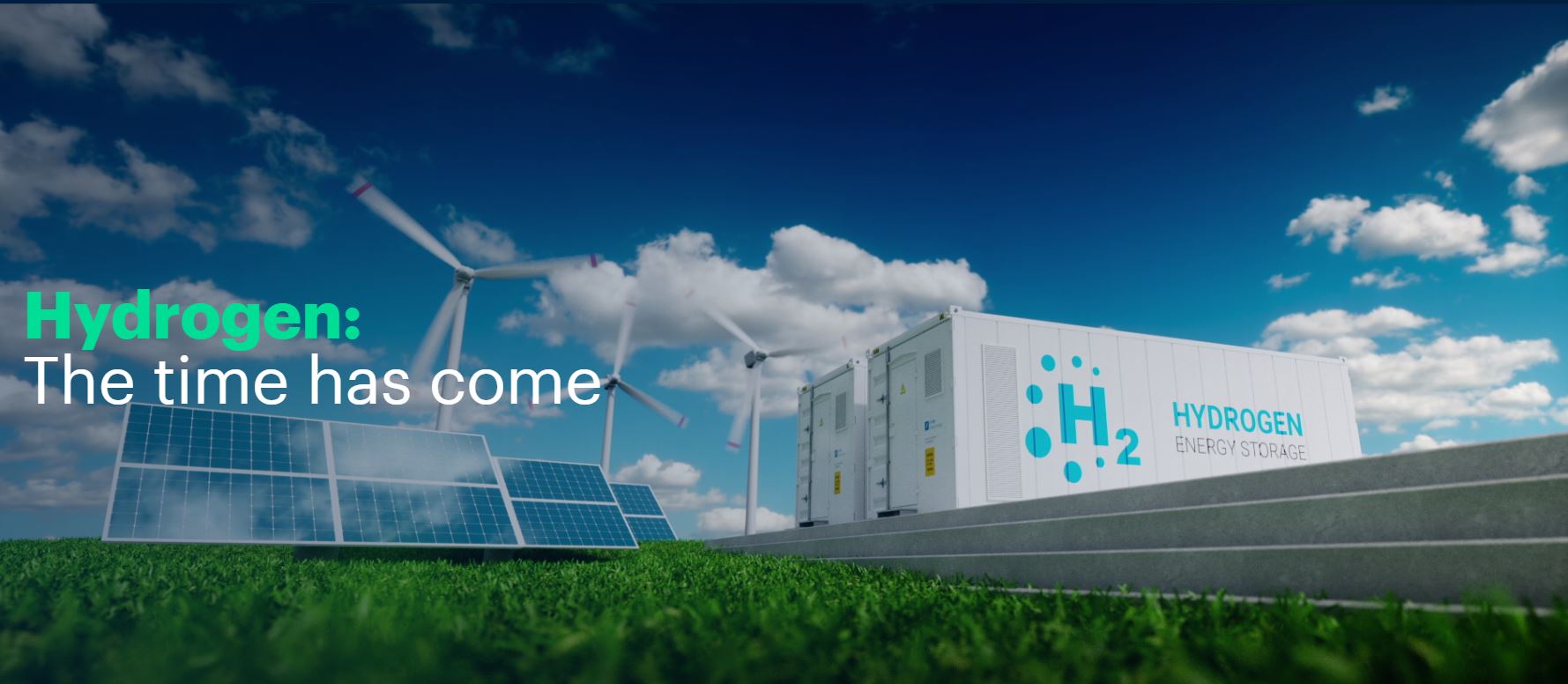
This chapter advances UN SDG goals 7 and 13 by providing an overview of the current prospects and challenges involved in scaling low-carbon H2 production in Europe.
As the world scrambles to reach net-zero emissions by 2050, hydrogen has emerged as a potential silver bullet to help mitigate climate change. Hydrogen has been in consideration as a potential aid to decarbonization for over 50 years. However, it is only now that it has gained traction in government strategies, business plans, and the media. But what makes the attention given to hydrogen in the 2020s different from the 1970s? This article relates to SDGs 7 and 13.
Elsevier,

Wind Energy Engineering (Second Edition), A Handbook for Onshore and Offshore Wind Turbines, 2023, Pages 475-487

This chapter aligns with Goals 7, 9 and 12 by assessing the interconnections between - and environmental implications of - wind energy development and use of rare earth elements.
The main idea of this work is: To provide a brief review of India's capability for the deployment of carbon capture, utilization, and storage technology on a large scale.
title of article
This article, relating to SDGs 7 and 13, details Europe's race to maintain its position as a leader in renewable energy as global green wars intensify. Although Europe is investing heavily in new green technologies, they face significant challenges including increasing competition from countries like China and the US, as well as political and economic challenges.
This article supports SDGs 7 and 13 by achieving the efficient CO2 capture via connecting a packed bubble column (S-PBC) contactor in series, combined with machine learning and multi-objective optimization based on Enhanced Weathering (EW) technology.
Earth Day is celebrated annually on April 22nd every year to demonstrate support for environmental protection. The theme for Earth day 2023 is Invest In Our Planet. Elsevier is proud to highlight these freely accessible book chapters and journal articles in honour of this event.
This Article supports SDG 3 and 7 by highlighting that that household use of solid fuels for cooking or heating was associated with lower life expectancy in the Chinese population.

Pages