
Hygiene and Environmental Health Advances, 2024, 100115
This study aims to evaluate the cardiorespiratory effects of ambient ozone under hypoxic conditions, where its impact may be amplified, while also providing a comprehensive assessment of other air pollutants, including their exposure levels, sources, and health effects.

International Day of Epidemic Preparedness 2026: Strengthening Global Health Systems for Future Crises

International Human Solidarity Day 2026: Celebrating Unity and Collective Action for a Better World
Observed annually on December 20, International Human Solidarity Day emphasizes the importance of solidarity in addressing global challenges like poverty, inequality, and social exclusion. Established by the United Nations General Assembly in 2005, the day calls on governments, organizations, and individuals to work together to achieve the Sustainable Development Goals (SDGs) and promote human and social development across all nations.



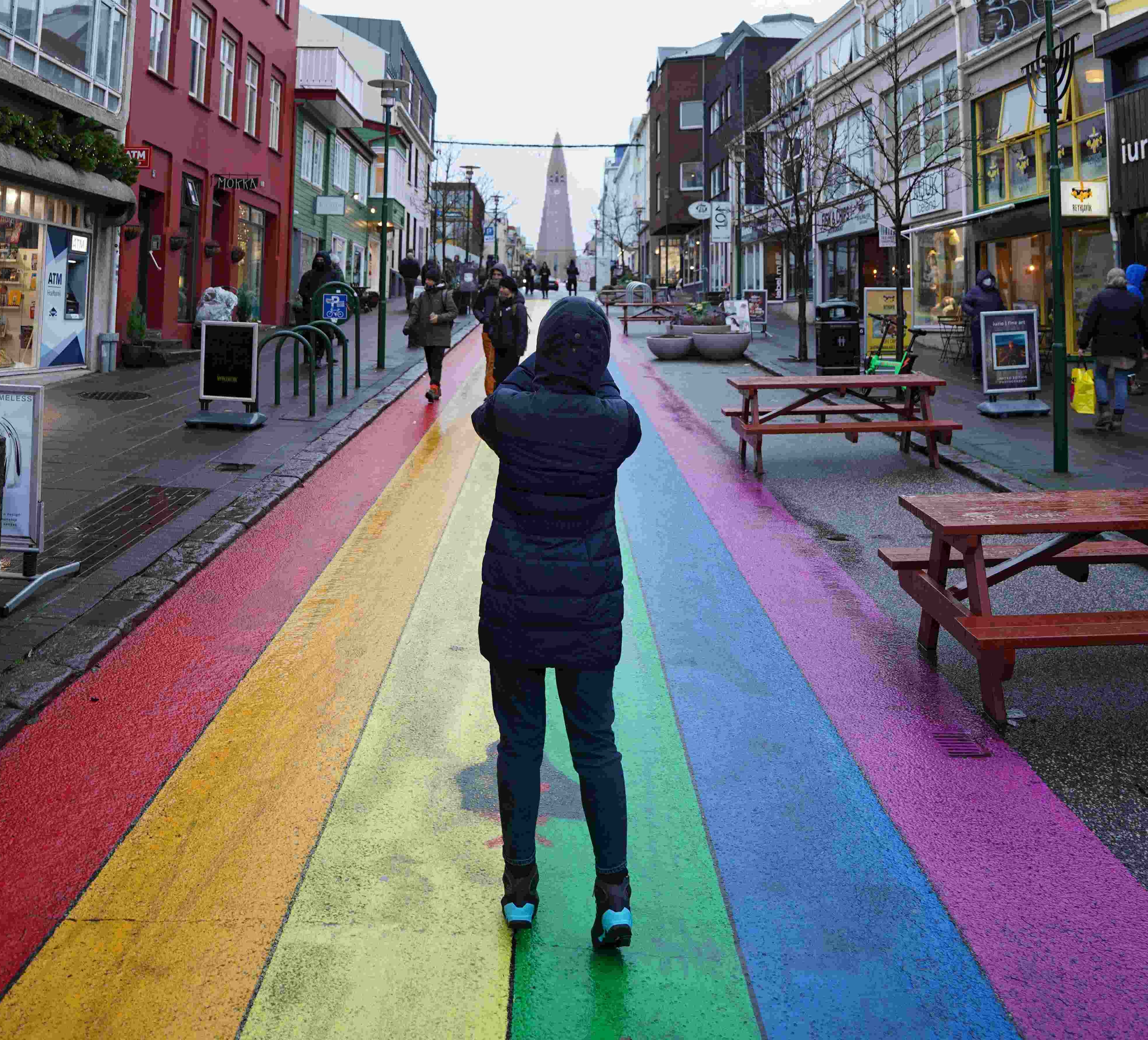
The International Day for Tolerance 2026: Promoting Respect and Understanding Worldwide
Observed annually on November 16, the International Day for Tolerance was declared by UNESCO in 1995 to raise public awareness about the dangers of intolerance and to promote understanding and respect among diverse cultures and communities. The day encourages global dialogue and cooperation to foster tolerance, human rights, and peace.
Origins and Background

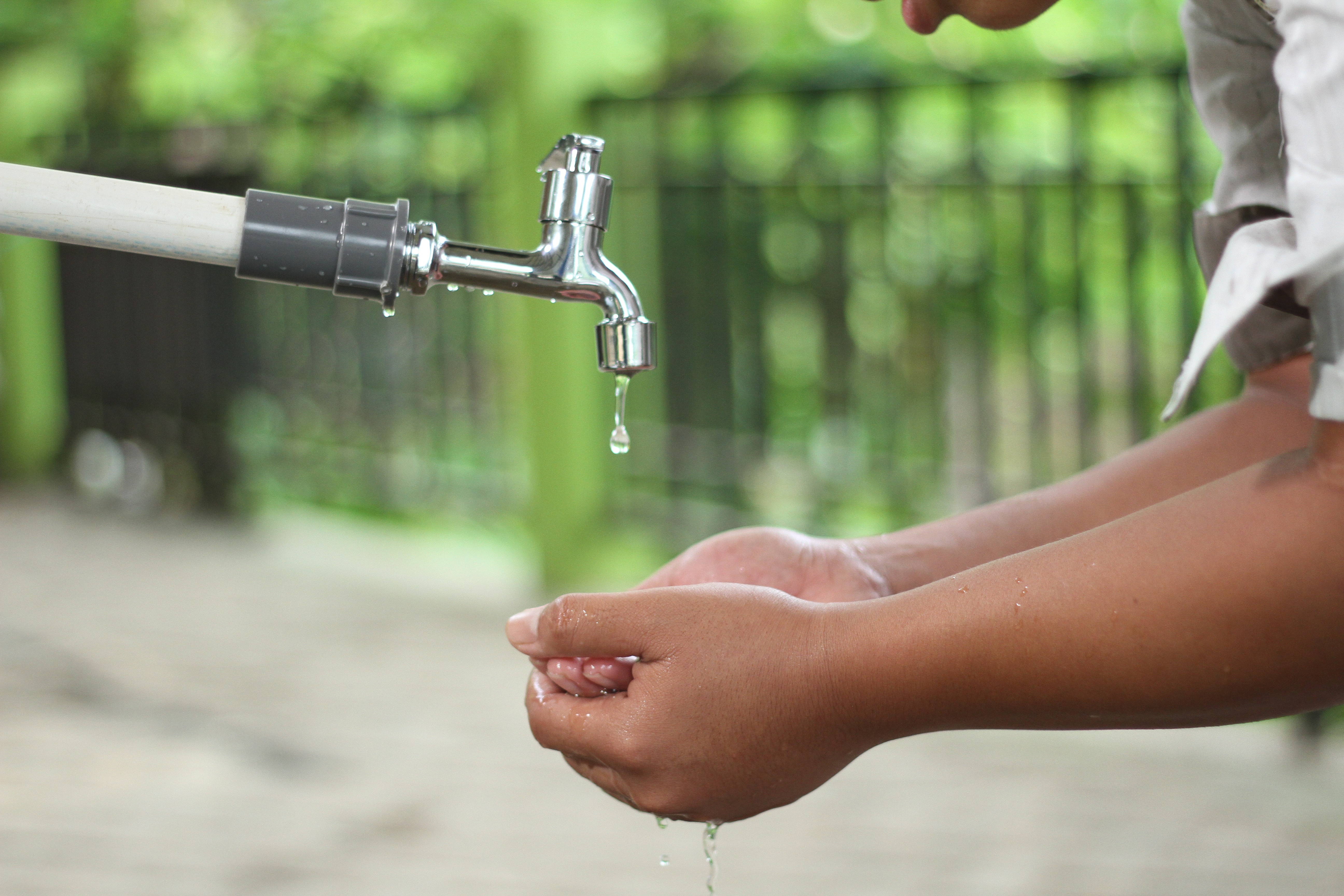
Each year the RELX Environmental Challenge is awarded to projects that best demonstrate how they can provide sustainable access to safe water or sanitation. There is a $50,000 prize for the first place entry and a $25,000 prize for the second place entry. The winners also receive free access for one year to ScienceDirect, our Scientific, Technical & Medical business’ database of full text, scientific information. Projects must have clear practical applicability, address identified need and advance related issues such as health, education, or human rights.
