Amphibian rewilding initiatives may provide early indications of ecological health and better contribute to conservation goals, by simultaneously protecting highly endangered species, and promoting ecological stability in these species ecosystems. Authors recommend the rapid (re)introduction of this “forgotten” taxon via the guidelines of trophic rewilding.
The study forecasts AI-based innovation's impact on SDGs in 22 countries from 2022 to 2030 using System Dynamics Modeling. In most of the 22 countries studied, AI-based innovation positively affects SDGs 1, 3, and 5. For half of the countries studied, AI-based innovation positively influences SDGs 2, 4, 6–8, 11, 13, and 16–17. AI-based innovation does not positively influence SDGs 10, 12, 14–15 for most countries studied.
This chapter aligns with Goals 9 and 14 by studying the risk-based assessment methods associated with health, safety, and environmental protection of engineering structures and infrastructure, discussing how to prevent and mitigate oil and gas leaks, fires, explosions, and more.
Dynamic Aquaria (Fourth Edition) - Chapter 13: Community structure: Biodiversity in model ecosystems
Dynamic Aquaria, Fourth Edition: Building and Restoring Ecosystems and the Biosphere, 2024, pp 167-180
This chapter advances the UN SDG goals 13 and 14 by reviewing how to calculate species count in a high-veracity ecosystem model for use in climate resilience and aquatic conservation settings.
In recent years, increased expectations from investors, regulators, employees, and customers have put significant pressure on companies to increase their sustainability efforts.
The Sustainable Development Goals (SDGs) are not just another sustainability framework, but the only universally agreed blueprint to turn meaningful ambition into transformational change. However, businesses report difficulties in integrating the SDGs into their core strategies and in understanding, reporting, and managing their impact on the Goals.
This paper evaluates the negative impacts of abandoned, lost or otherwise discarded fishing gear (ALDFG) on Indian biodiversity and highlights an urgent necessity to continue building management programs and develop government policies to protect the aquatic environment from it.
Global view on sea turtle conservation
Coral atolls are at risk from rising sea level, what can be done to enhance island buidling processes
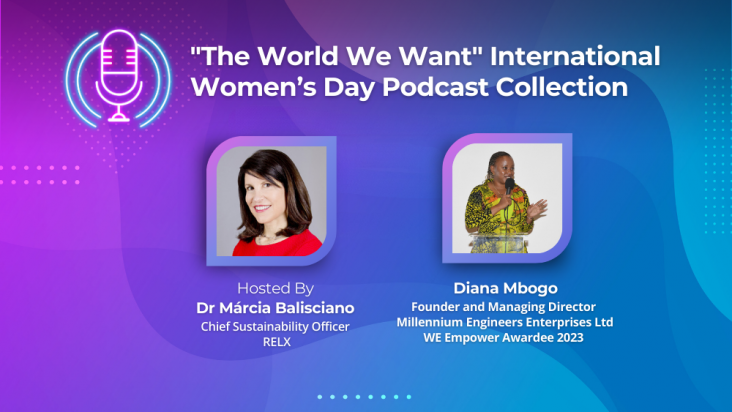
In this special edition of "The World We Want," Márcia Balisciano interviews Diana Mbogo, the Founder and Managing Director of Millennium Engineers in Tanzania. Diana, an award-winning entrepreneur, focuses on renewable energy solutions and is currently implementing the Sardine Fishing Industry Business Project. The project aims to transition the traditional, environmentally harmful methods of the sardine fishing industry toward more sustainable practices using solar drying facilities. Diana emphasises the critical connection between access to energy, particularly for women, and the broader goal of achieving the United Nations Sustainable Development Goals. Throughout the discussion, Diana shares her journey, challenges, and the transformative impact of her work on communities, highlighting the positive changes brought about by her innovative approach to the sardine industry.
Additives may be present in amounts higher than 50% within plastic objects.