
This article ties to SDG3 by examining new methods to assess impact of climate change

Plants have a microbiome, a diverse community of microorganisms, including bacteria, fungi, and viruses, living inside and on their tissues. This review article contains deeper insight in endomicrobiome related research work in last years, recruitment, niche development, nutrient dynamics, stress removal mechanisms, bioactive services in plant health development, community architecture and communication, and immunity interplay in producing stress resilient future crop.

Strigolactones (SLs) are a new class of plant hormones that play a significant role in regulating various aspects of plant growth promotion, stress tolerance and influence the rhizospheric microbiome. GR24 is a synthetic SL analog used in scientific research to understand the effects of SL on plants and to act as a plant growth promoter.
High soil temperature is a key environmental factor threatening food production in hot climates, especially in the era of global warming. Additionally, high soil evaporation under sunlight leads to significant water loss. Currently, there is a lack of effective and feasible soil management methods during hot seasons. This paper presents a soil-cooling strategy based on radiative cooling mulch.
In this paper the authors show how the heterogeneity in cities means that individual cities need specific low-carbon roadmaps, rather than a one-size-fits-all approach
This review focuses especially on the convertibility of CO2 reduction to generate ethylene technology in practical applications and provides a detailed summary of the latest technologies for the efficient production of ethylene by CO2RR and suggests the potential application of CO2RR systems in food science to further expand the application market of CO2RR for ethylene production
Global climate overshoot scenarios rely heavily on land-based carbon dioxide removal (CDR), but the IPCCs optimistic technical and economic potentials overlook the unquantified feasible potential shaped by socio-cultural, environmental, and institutional factors. This article proposes research frameworks to quantify this feasible potential, urging caution in using techno-economic CDR assessments for policymaking.
An overshoot of the 1.5°C target seems inevitable, prompting urgent calls for comprehensive, interdisciplinary, and globally coordinated solar geoengineering research. Drawing lessons from the CGIAR agricultural network, this article proposes a global network of climate action centers to ensure reliable and legitimate research, guiding policymakers and donors in addressing this critical need.
Climate change adaptation is urgent, yet understanding which strategies effectively reduce risks across varied climate conditions remains limited. By analyzing climate variability features and community responsesillustrated through an African case studythis review offers insights and methods to engage communities and inform policymakers for more effective adaptation support.
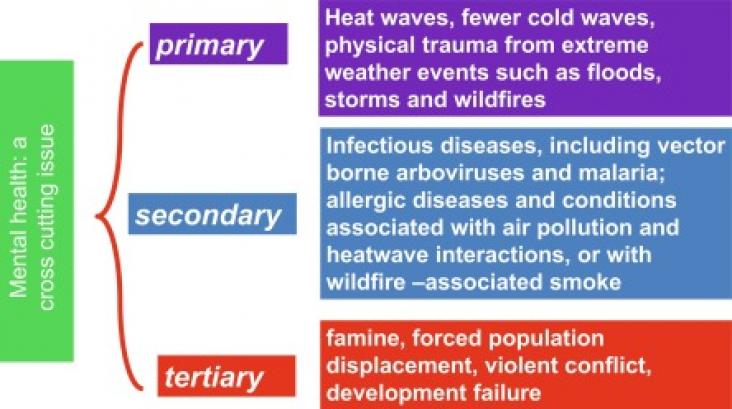
Human health, in the coming decades (and already in some “front-running” regions), is in peril. Although some authorities warn that over-stating such risks can induce paralysis and despair, under-stating them will not generate the intense action that is required. The impact of climate change on the Earth system is now so significant that the next ice age will likely be delayed by at least 50,000 years [201]. If humans do not rapidly change their collective behavior, then this may be their most enduring legacy. It is hoped that this chapter makes a small contribution to SDG3.
