
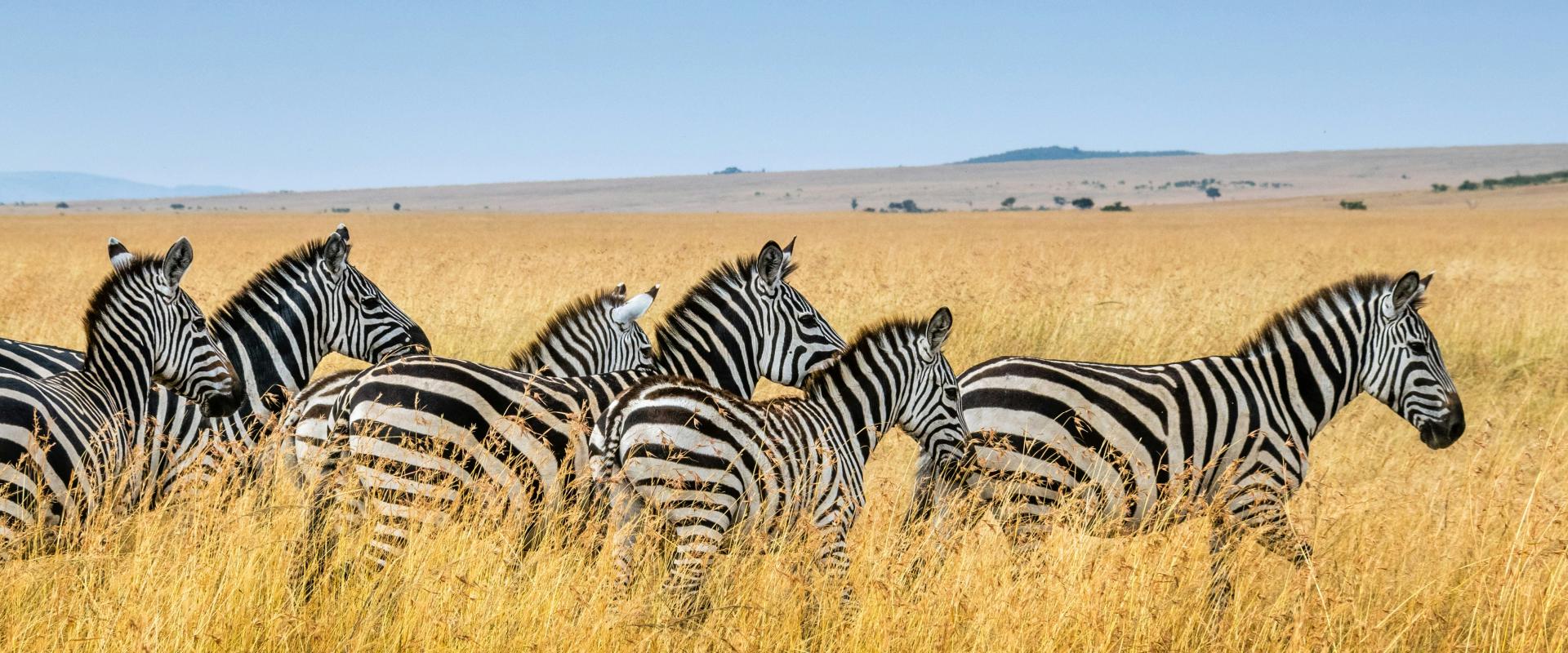
World Wildlife Day 2026
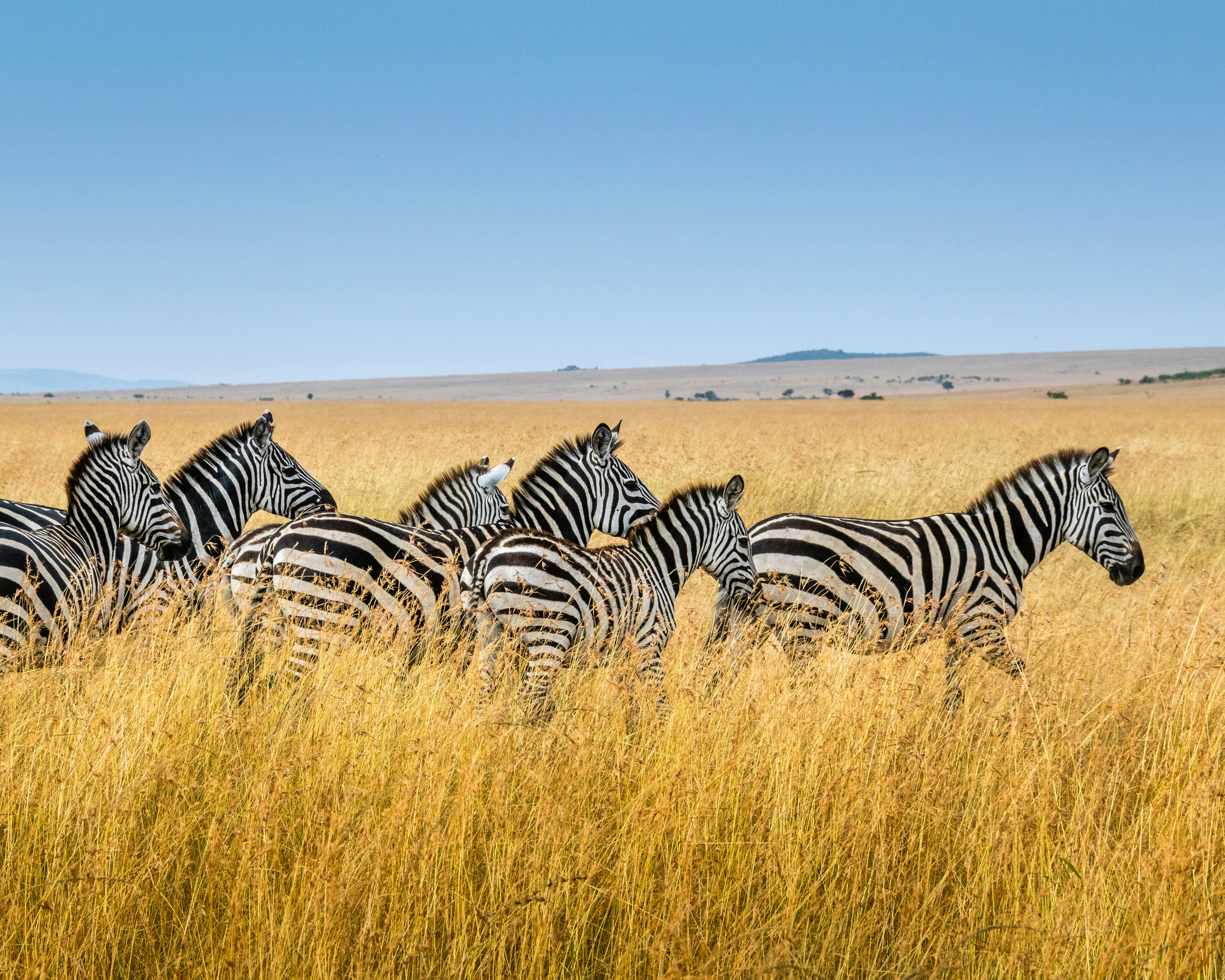
World Wildlife Day 2026: Celebrating Biodiversity and Conservation
Observed annually on March 3, World Wildlife Day raises global awareness of the world’s wild flora and fauna. Established by the United Nations General Assembly (UNGA) in 2013, the day marks the anniversary of the adoption of the Convention on International Trade in Endangered Species of Wild Fauna and Flora (CITES) in 1973. World Wildlife Day celebrates the intrinsic value of wildlife and its critical contributions to biodiversity, ecosystem health, and human well-being.
Origins and Global Significance
World Wildlife Day was proclaimed by UNGA following a proposal from Thailand to acknowledge the importance of conserving wildlife. This day highlights the essential ecological, economic, and cultural roles of wildlife, emphasizing the need for sustainable practices to protect species at risk. CITES, which oversees international trade to prevent species endangerment, actively participates in coordinating events and raising awareness for this observance.
Engaging in Conservation Efforts
With biodiversity under threat from climate change, habitat loss, and illegal trade, World Wildlife Day 2026 calls on people globally to take action for conservation. From supporting local wildlife protection initiatives to advocating for responsible trade policies, individuals and communities can make a difference in safeguarding ecosystems and species.
Join the Global Movement
On March 3, 2026, take part in World Wildlife Day by learning about conservation challenges, supporting wildlife-friendly practices, and spreading awareness. Together, we can work towards a future where wild fauna and flora are protected, ensuring biodiversity and a balanced environment for generations to come.
World Wildlife Day Themes (2015–2026)
| Year | Theme | Description |
|---|---|---|
| 2015 | It’s Time to Get Serious About Wildlife Crime | Focused on raising awareness and taking action against wildlife trafficking and illegal trade. |
| 2016 | The Future of Wildlife is in Our Hands | Emphasized individual responsibility in wildlife conservation, with a sub-theme focused on elephants. |
| 2017 | Listen to the Young Voices | Encouraged youth involvement in wildlife conservation efforts and environmental stewardship. |
| 2018 | Big Cats - Predators Under Threat | Raised awareness about the threats facing big cats and the need to protect these vital predators. |
| 2019 | Life Below Water: For People and Planet | Highlighted the importance of marine life conservation for a sustainable planet. |
| 2020 | Sustaining All Life on Earth | Celebrated biodiversity and called for the preservation of all life forms on the planet. |
| 2021 | Forests and Livelihoods: Sustaining People and Planet | Focused on the essential role of forests in supporting both people’s livelihoods and biodiversity. |
| 2022 | Recovering Key Species for Ecosystem Restoration | Promoted efforts to restore ecosystems by recovering endangered and critical species. |
| 2023 | Partnerships for Wildlife Conservation | Highlighted the importance of collaboration across governments, civil society, and the private sector to protect wildlife. |
| 2024 | Connecting People and Planet: Exploring Digital Innovation in Wildlife Conservation | Recognized the impact of digital technology on wildlife conservation and human-wildlife coexistence. |
| 2025 | Wildlife Conservation Finance: Investing in People and Planet | Places the spotlight on the need for innovative solutions to fund the protection of wildlife and wildlife habitat, ensuring long-term conservation efforts. |
| 2026 | Medicinal and Aromatic Plants: Conserving Health, Heritage and Livelihoods | Focuses on the importance of preserving medicinal and aromatic plants and their contribution to biodiversity, traditional knowledge, and sustainable livelihoods. |
Connection to the Sustainable Development Goals
World Wildlife Day 2026 is linked to several United Nations Sustainable Development Goals through its documented focus on biodiversity conservation and efforts to address illegal wildlife trade.
SDG 12: Responsible Consumption and Production – The observance is linked to reducing demand that drives illegal and unsustainable trade in wildlife and wildlife products, including through implementation of CITES trade controls.
SDG 14: Life Below Water – The observance recognizes that marine species are affected by overexploitation and illegal trade, and supports international attention to conservation of ocean biodiversity.
SDG 15: Life on Land – The observance supports biodiversity conservation and efforts to halt species loss, including through protection of terrestrial ecosystems and addressing wildlife trafficking.
How the Event Is Observed
World Wildlife Day 2026 is observed through official statements, public events, educational programming, and informational campaigns led by United Nations entities, governments, intergovernmental organizations, and civil society partners. Activities vary by country and institution and are coordinated independently by participating entities.
The CITES Secretariat is designated as the facilitator for the global observance on the UN calendar and maintains central information resources documenting the day and its annual theme.
Key Facts at a Glance
Date: 3 March 2026
Established by: United Nations General Assembly
UN Resolution: A/RES/68/205 (2013)
First observed: 2014
Commemorates: Adoption of CITES (3 March 1973)
Facilitator (global observance): CITES Secretariat
Theme (2026): “Medicinal and Aromatic Plants: Conserving Health, Heritage and Livelihoods”
Frequently Asked Questions – World Wildlife Day 2026
What is World Wildlife Day 2026?
World Wildlife Day 2026 is a United Nations–proclaimed international observance held annually on 3 March. The event marks the anniversary of the adoption of the Convention on International Trade in Endangered Species of Wild Fauna and Flora (CITES) in 1973. It is used as a reference date to recognize the value of wild fauna and flora and the role of conservation.
Why is World Wildlife Day observed on 3 March?
World Wildlife Day is observed on 3 March because that is the date CITES was adopted in 1973. The observance was established to align the annual date with the treaty anniversary. This links the day directly to international efforts to regulate wildlife trade.
Who established World Wildlife Day?
World Wildlife Day was established by the United Nations General Assembly. The proclamation was adopted in 2013 through Resolution A/RES/68/205. The resolution set 3 March as the annual observance.
What is the theme of World Wildlife Day 2026?
World Wildlife Day 2026 carries the theme “Medicinal and Aromatic Plants: Conserving Health, Heritage and Livelihoods.” The theme is published through the official World Wildlife Day platform maintained by the CITES Secretariat. Annual themes are used to frame public information materials and related programming.
What is the role of CITES in World Wildlife Day 2026?
World Wildlife Day 2026 is facilitated globally by the CITES Secretariat as designated by the UN General Assembly resolution. CITES is the international agreement that regulates trade in listed species to avoid threats to their survival. The Secretariat supports global coordination and information resources related to the observance.
Is World Wildlife Day a public holiday?
World Wildlife Day is not designated as a public holiday by the United Nations. It is an international observance included in the UN calendar. Any public holiday recognition depends on national or local decisions.
References
United Nations. “World Wildlife Day.” United Nations Observances.
https://www.un.org/en/observances/world-wildlife-day
United Nations General Assembly. “Resolution A/RES/68/205: World Wildlife Day.” United Nations Official Document System.
https://undocs.org/A/RES/68/205
World Wildlife Day (Official). “Home / World Wildlife Day.” CITES Secretariat (global facilitator).
https://wildlifeday.org/en
CITES. “World Wildlife Day 2026 Concept Note.” Convention on International Trade in Endangered Species of Wild Fauna and Flora (CITES).
https://cites.org/sites/default/files/eng/events/wwd/2026/WWD2026_ConceptNote_EN.pdf
