
The Journal of Allergy and Clinical Immunology: In Practice, Volume 13, Issue 2, February 2025, Pages 266-273
A brief external-facing summary: As a result of anthropogenic climate change, an alteration in the air mixture has occurred over time. These changes have increased human exposures to respiratory irritants such as ground-level ozone, volatile organic compounds, nitrogen dioxide, sulfur dioxide, carbon monoxide, and polycyclic aromatic hydrocarbons. Regarding aeroallergens, studies have shown that elevated temperatures and increased carbon dioxide levels have produced prolonged and more robust pollen seasons for most taxa studied.

The Elsevier Foundation Chemistry for Climate Action Challenge is a collaboration between the Elsevier Foundation, a non-profit focused on inclusive research and health funded by Elsevier and Elsevier's Chemistry journals. The Challenge represents a commitment from Elsevier to uncover practical, scalable solutions to specific issues caused by climate change in global South communities thereby advancing both Climate Action (SDG13) and Gender Equity (SDG5).
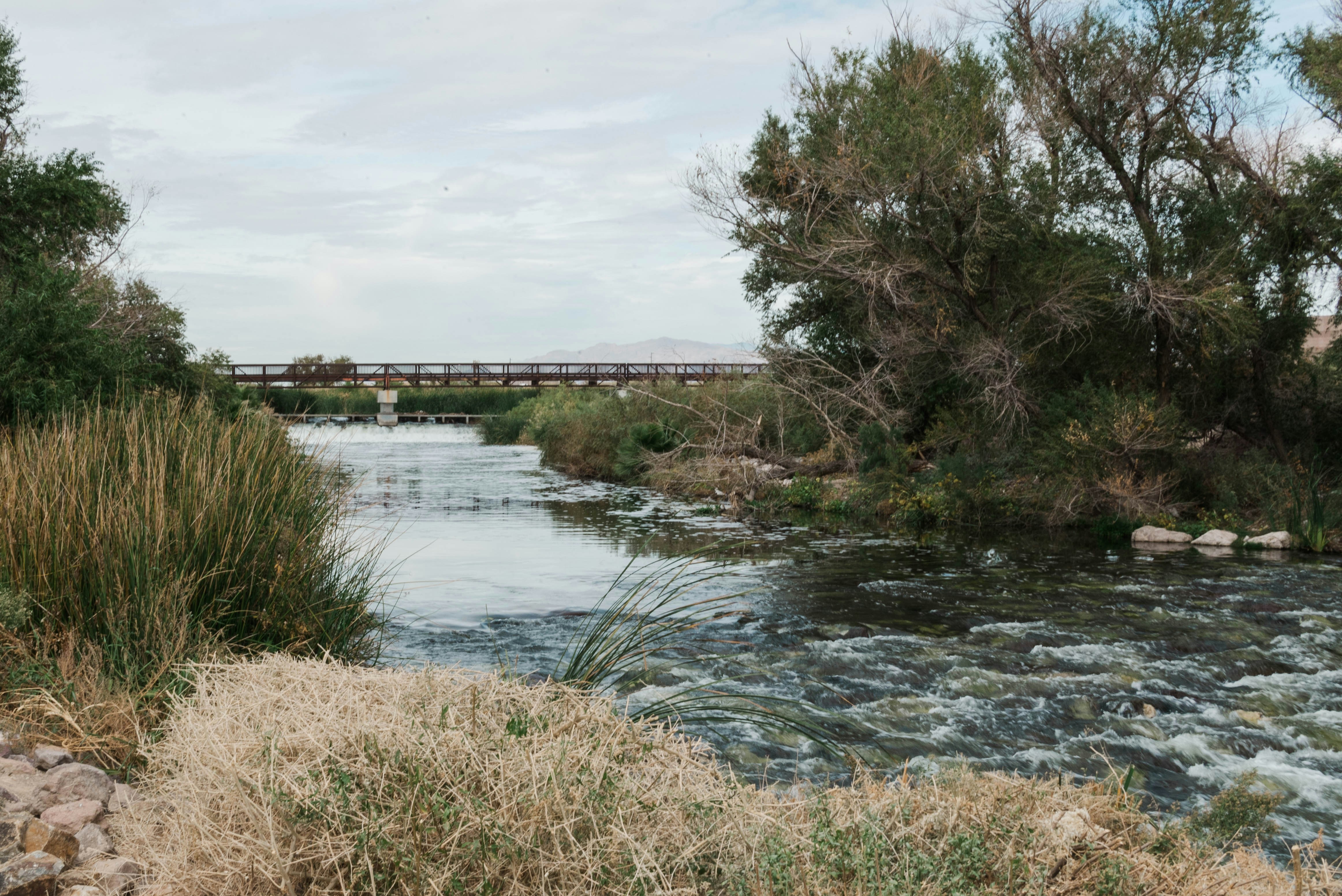
World Wetlands Day 2026
Event Date: 2 February 2026
Recognizing Body: United Nations General Assembly; Convention on Wetlands (Ramsar Convention)
Short Event Descriptor: World Wetlands Day 2026 is an international observance recognizing the importance of wetlands and commemorating the signing of the Ramsar Convention on Wetlands.
What the Event Is
The effect of temperature on language complexity: Evidence from seven million parliamentary speeches
iScience, Volume 27, 21 June 2024
