Book chapters

Elsevier,

Artificial Intelligence for Neurological Disorders, First Edition, 2022, pp 49-60

This chapter advances the UN SDG goals 3 and 17 by brings together medical and computational domains to discuss the use of deep learning (DL) and machine learning (ML) in the early detection of AD.
Elsevier,

Autophagy Dysfunction in Alzheimer's Disease and Dementia, First Edition, 2022, pp 263-290

This chapter advances the UN SDG goals 3 and 17 by reviewing recent drug discoveries and autophagy regulation which is essential for the treatment of AD.
Elsevier,


Clinical Ophthalmic Genetics and Genomics
2022, Pages 457-463
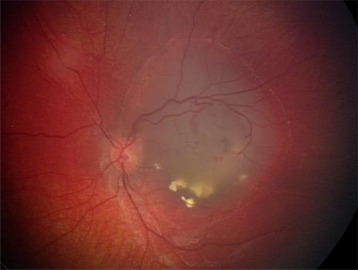
This content links with Goal 3: Good health and well-being and Goal 10: Reduced Inequalities by providing understaning of the genetics of retinoblastoma enabling clinicians to develop targeted screening guidelines based on genetic risk, minimising unnecessary screening exams, and focusing resources on individuals at greatest risk.
Elsevier,

Clinical Ophthalmic Genetics and Genomics, 2022, Pages 457-463Gallie

Understanding the genetics of retinoblastoma has enabled clinicians to develop targeted screening guidelines based on genetic risk, minimising unnecessary screening exams, and focusing resources on individuals at greatest risk. The goal of SDG target 3.d is to strengthen the capacity of all countries, in particular developing countries, for early warning, risk reduction and management of national and global health risk.
Elsevier,

Encyclopedia of Violence, Peace, & Conflict (Third Edition), Volume 1, 2022, Pages 348-368

This chapter supports SDG 16 by exploring interdisciplinary strategies and approaches to peacebuilding.
Elsevier,

Encyclopedia of Violence, Peace, & Conflict (Third Edition), Volume 3, 2022, Pages 443-447

This chapter supports SDG 16 by exploring the history of separatism, secession, and self-determination.
Elsevier,

Encyclopedia of Violence, Peace, & Conflict (Third Edition)
Volume 2, 2022, Pages 304-312

Violence against sexual minorities is a significant social problem. On a global level, its primary manifestation is in state-sanctioned violence by law enforcement officials. In some countries, extralegal violence is also widespread. The landscape of victimization has changed dramatically as sexual minorities have gained greater visibility and acceptance. This chapter provides a historical and cultural overview of legal and extralegal violence against sexual minorities around the globe.

Elsevier,

Encyclopedia of Violence, Peace, & Conflict (Third Edition)
Volume 2, 2022, Pages 324-331

Across cultures, women prefer participation in nonviolent opposition to government rather than violence. Civil resistance entails intentionally nonviolent acts such as demonstrations, strikes, and nonparticipation to pressure government to respond to demands.

Elsevier,

Encyclopedia of Violence, Peace, & Conflict (Third Edition)
Volume 2, 2022, Pages 313-323

Violence against women (VAW) is a violation of human rights rooted in gendered social structures and a pervasive problem worldwide. It cuts across age, socioeconomic, educational, and geographic boundaries, affecting all societies. Women and girls are disproportionately impacted by gender-based violence, which causes immense harm, suffering, loss of dignity, along with immediate and long-lasting medical and psychological damage. It also places a heavy burden on societies and economies.

Elsevier,

Encyclopedia of Violence, Peace, & Conflict (Third Edition), Volume 3, 2022, Pages 652-668

This chapter supports SDG 16 by exploring the history of UN peacekeeping.

Pages