
eClinicalMedicine, Volume 56, February 2023
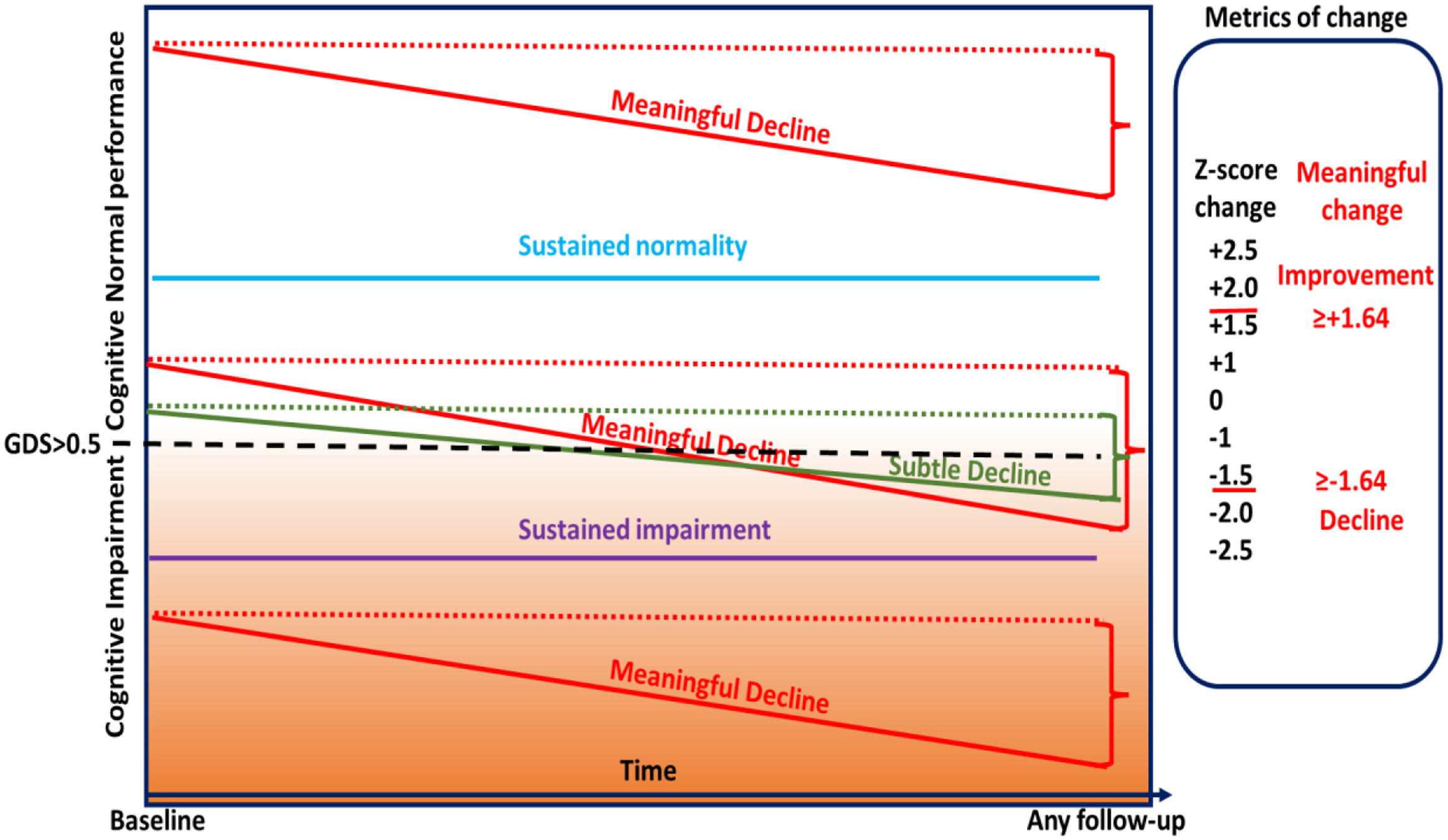
According to the CDC 11% of adults have subjective cognative decline. Given the high coverage of ART in Australia, researchers assessed if there was a link between ART and cognative decline. With 1% of the study population reported to have sustained decline, the authors concluded that meaningful cognative decline was not significantly different compared with what would be expected. Although not a game changing new drug regimen, with the average life expectantcy of people with HIV now 83 year the lack of link between ART and cognative decline means that good health and wellbeing can be promoted into old age.
Measurement: Sensors, Volume 25, February 2023
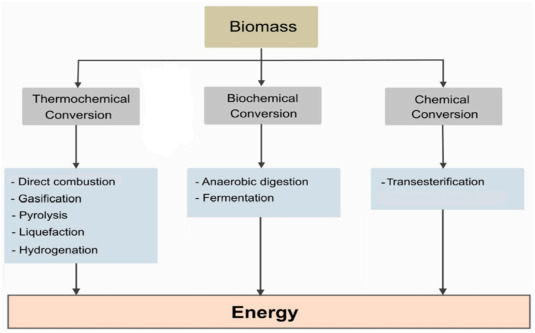
An investigation supporting SDGs 7 and 13, based in Ghana, into the possibility of using slaughterhouse wastes as a source of renewable energy through biogas technology. The researchers concluded that 'Ghana generates significant amount of slaughterhouse waste each year that can be processed using AD [anaerobic digestion] for energy and electricity production to supplement the country's electricity needs, while reducing GHG emissions'.
Elsevier,
Technology in Society, Volume 72, February 2023
We observe the link between Artificial Intelligence (AI) and Sustainable Development Goals (SDGs). We use automated methodologies to find insights and overlaps between AI and the SDGs. AI-Ethics frameworks need to give more attention to Society and Environment areas. Inclusive action is needed to balance the efforts for solving SDGs by using AI.SDGs 13, 14, and 15 (all related to the Environment area) are not sufficiently addressed.
Elsevier,
The Lancet Planetary Health, Volume 7, Issue 2, February 2023, Pages e179-e183
This Viewpoint supports SDGs 3 and 16 by by exploring decolonising interventions in planetary health. The authors highlight intercultural thinking in order to promote anticolonial, antiracist approaches to climate change and health inequities.
Elsevier,
The Lancet Planetary Health, Volume 7, Issue 2, February 2023, Pages e147-e154
This Article supports SDGs 3 and 13 by estimating how global income inequality might have to be reduced in order to ensure both decent living standards and reductions in global energy use for planetary health.
Elsevier,
The Lancet HIV, Volume 10, February 2023
Study built over two decades of research on intimate parther violence and HIV. Sub-Saharan Africa has among the highest prevalence of intimate parthner violence (IPV) and HIV worldwide. The results of this very pooled analysis show that pwomen who had experienced physical or sexual IPV in the past year were 3·22 times as likely to acquire a recent HIV infection and women living with HIV who experienced physical or sexual IPV in the past year were 9% less likely to be virally suppressed
