Articles

Elsevier,

Nexus, Volume 1, Issue 1, March 2024

The integration of comprehensive digital twins in laboratory environments heralds a paradigm shift, enabling a level of automation and data management previously unattainable. This integration promises to enhance the efficiency and scope of self-driving laboratories and pave the way for creating a general “artificial intelligence (AI) scientist” with universal capabilities.

Elsevier,

American Journal of Clinical Nutrition, Volume 119, February 2024

The Planetary Health Diet Index (PHDI) is a novel measure adapted to quantify alignment with the dietary evidence presented by the EAT-Lancet Commission on Food, Planet, Health. This review aimed to examine how population-level health and sustainability of diet as measured by the PHDI changed from 2003 to 2018, and to assess how PHDI correlated with inadequacy for nutrients of public health concern (iron, calcium, potassium, and fiber) in the United States. Although there have been positive changes over the past 20 years, there is substantial room for improving the health and sustainability of the United States diet. Shifting diets toward EAT-Lancet recommendations would improve nutrient adequacy for iron, fiber, and potassium. Policy action is needed to support healthier, more sustainable diets in the United States and globally.
Elsevier,

Current Developments in Nutrition, Volume 8, February 2024

Contemporary global agrifood production systems are striving to feed a growing population of over 8 billion people. The growing population and fast economic growth in low- and middle-income countries (LMICs) are leading to shifts in dietary preferences. Climate change and other challenges also add pressure to the global food system. In this persepctive alternative protein (AP) foods are proposed to support a global protein transition. Whereas AP food innovation has been a strategy to promote consumption of protein sources with low environmental impact in high-income countries (HICs) diets, their relation to sustainable, high-quality diets in low- and middle-income countries (LMICs) remains to be established
Elsevier,

The Lancet Infectious Diseases, Volume 24, February 2024

Readdressing the narrative surrounding the AIDS epidemic and how the experience of so many vulnerable women were largely ignored during that time.
Elsevier,

Maturitas, Volume 179, January 2024

Endocrine disruptive chemicals affect negatively women's reproductive systems.
Elsevier,

International Journal of Educational DevelopmentVolume 106, April 2024, 102992

This study explores how literacies are intertwined with social practices and shaped by ethnolinguistic and cultural histories, based on research with Indigenous language learners and facilitators in Mexico.

Elsevier,

Societal Impacts, Volume 3, June 2024, 100044

Recent advances in Artificial Intelligence (AI) research have opened up new opportunities for leveraging AI research for societal impacts. AI research offers novel ways of tackling societal problems including environmental, health, and education challenges. Despite the potential, there are limited documented use cases and methodologies for translating AI research to societal impact at a large scale. This paper presents AirQo, an AI and advanced technology-driven use case for urban environmental pollution monitoring and modelling and the resulting societal impacts that have been realised.

Elsevier,

The Lancet Psychiatry, Volume , 2024

Divorce remains illegal in the Philippines, and this Comment considers the legal situation around divorce and the risk of abuse and other mental health implications of this situation for women. It calls for legal changes to advance gender equity.
Elsevier,

The Lancet Psychiatry, Volume , 2024

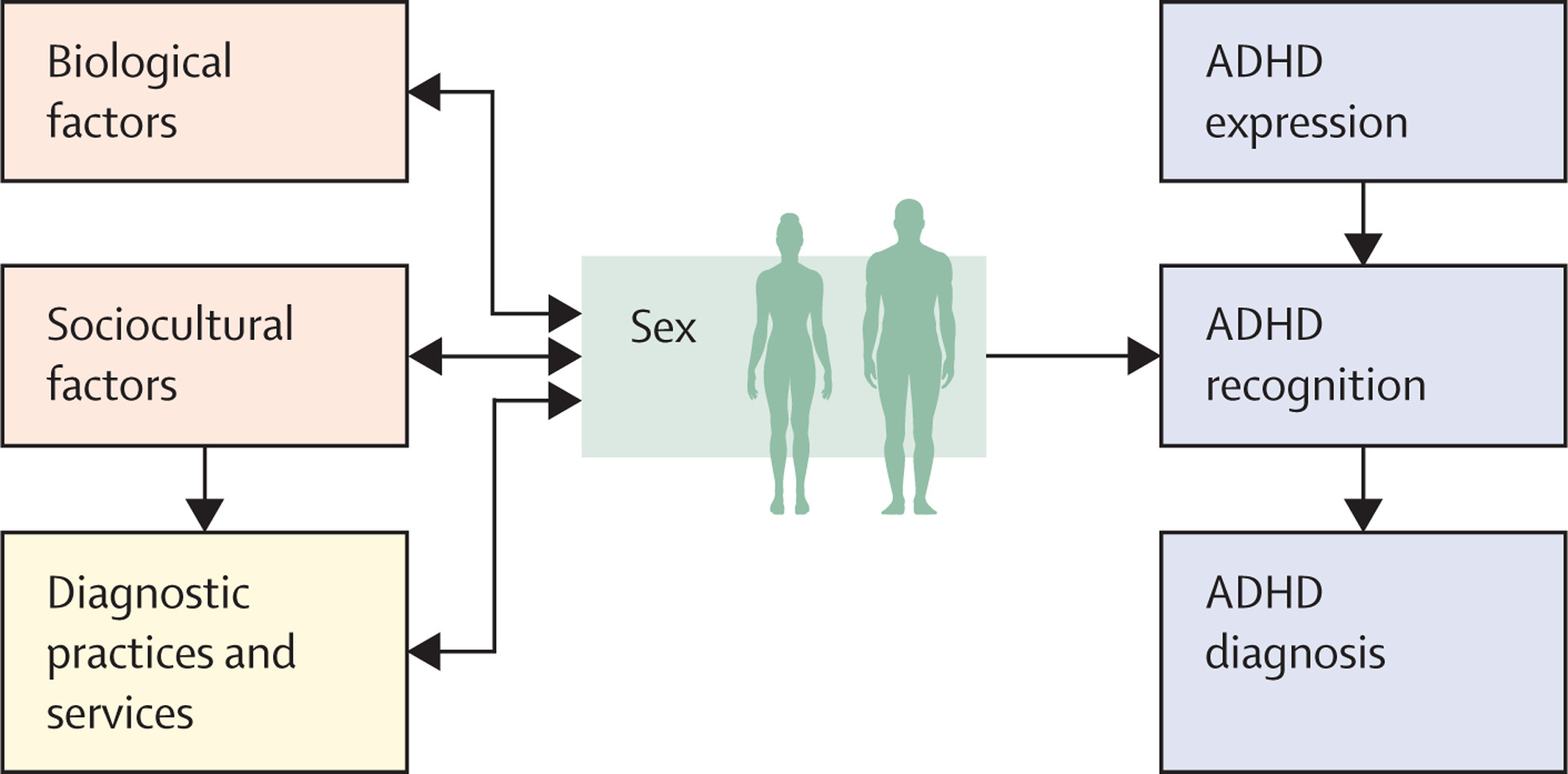
This Viewpoint looks at the reasons that females tend to be less likely to be diagnosed with ADHD, are diagnosed later in life, and are less likely to be prescribed medication. It considers potential biological factors including genetic factors, the influence of diagnostic factors such as diagnostic overshadowing, and sociocultural explanations including sex differences in presentation and compensatory behaviour.
Elsevier,

The Lancet Child and Adolescent Health, Volume , 2024

The latest global prison trends from Penal Reform International suggest that approximately 740 000 women are in prison and that the number is rising in most regions. Neither the UN 2030 Agenda for Sustainable Development7 nor the UN definition of vulnerability make explicit reference to human rights of people deprived of their liberty.

Pages