Articles

Elsevier,

Current Research in Microbial Sciences, Volume 6, January 2024

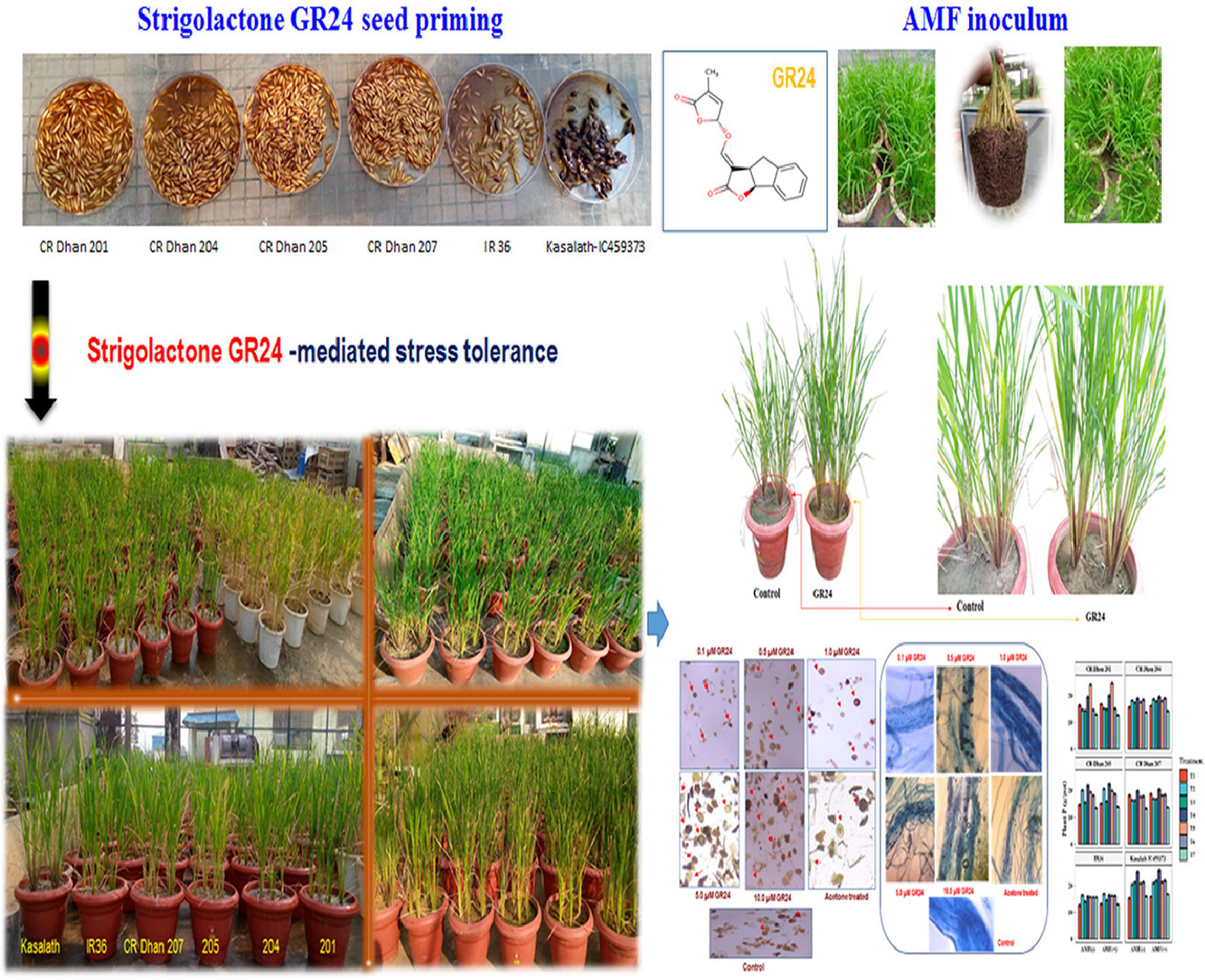
Strigolactones (SLs) are a new class of plant hormones that play a significant role in regulating various aspects of plant growth promotion, stress tolerance and influence the rhizospheric microbiome. GR24 is a synthetic SL analog used in scientific research to understand the effects of SL on plants and to act as a plant growth promoter.
Elsevier,

Nexus, Volume 1, Issue 1, March 2024

High soil temperature is a key environmental factor threatening food production in hot climates, especially in the era of global warming. Additionally, high soil evaporation under sunlight leads to significant water loss. Currently, there is a lack of effective and feasible soil management methods during hot seasons. This paper presents a soil-cooling strategy based on radiative cooling mulch.

Elsevier, Journal of Cleaner Production, Volume 434, 1 January 2024
This research paper explores and compares the Corporate Social Responsibility (CSR) strategies of the top 25 companies in the United Arab Emirates (UAE) and those of the top companies globally having a presence in the UAE market too, using lists sourced from Forbes Magazine.
Elsevier, Maturitas, Volume 178, December 2023
The huge impact of climate change on humankind is multidimensional, and includes direct and indirect challenges to the physical, psychological and socio-cultural wellbeing. Women may be more vulnerable to climate-sensitive diseases, but little attention has been paid to specific needs and challenges associated with the menopause transition. The increase in average and extreme temperatures may modulate the manifestation of vasomotor symptoms; in particular, environmental temperature and seasonality may affect hot flushes and night sweats.
Elsevier,

The Lancet Child and Adolescent Health, Volume 7, December 2023

In this Viewpoint, an international panel of clinicians, scientists, and community members with lived experiences of autism reviewed the challenges in identifying autism in individuals who are assigned female at birth and proposed clinical and research directions to promote the health, development, and wellbeing of these individuals.
Elsevier,

The Lancet, Volume 402, 2 December 2023

Women interact with cancer in complex ways, as healthy individuals participating in cancer prevention, as patients, as health professionals, researchers, policymakers, and as unpaid caregivers. In all these domains, women often are subject to overlapping forms of discrimination, such as due to age, race, ethnicity and socio-economic status, that render them structurally marginalized. Women, power and cancer: A Lancet Commission recommends that sex and gender be included in all cancer-related policies and guidelines, making these responsive to the needs and aspirations of women in all their diversities. It identifies ten priority actions stakeholder groups can take towards lasting and impactful change.
Elsevier

Most indigenous women in the sub-Himalayan region of Northern Bengal have been engaged in wage labor within tea gardens. The payment system within these gardens has often lacked transparency, resulting in these workers receiving compensation below the legal minimum wage. This persistent uncertainty has had a profound impact on social behavior and self-satisfaction among the workforce. Notably, no prior study has explored the quality of life experienced by these women workers through a comprehensive examination of their perceptions, determinants, and narratives.

Elsevier,

iScience, Volume 26, Issue 1, 20 January 2023, 105803

In this paper the authors show how the heterogeneity in cities means that individual cities need specific low-carbon roadmaps, rather than a one-size-fits-all approach
Elsevier,

Heliyon, Volume 9, December 2023

This paper assess parental and guardian perceptions of dental health service accessibility among primary school students Saudi Arabia.
Elsevier,

The Lancet Global Health, Volume 11, December 2023

This Article supports SDG 3 by providing robust evidence of health-care financing policies deployed by 15 countries representing all WHO regions and offering an overview and illustrative examples of the modifications made to these policies for countries to rapidly mobilise fiscal resources for health.

Pages